Winter crisis panel discussion
Find out what GPs from across England had to say about the effect of the NHS winter crisis on general practice.
Hear from those GPs below...

Dr Mohit Mandiratta, Midlands GP
Hear what Dr Mandiratta has to say here.
I think probably best to start with a bit of scene setting and I know winter comes every year and I know winter is terrible for everybody, but particularly the NHS every year. But we are particularly feeling it this year, I know.
Many of you will be aware of the perfect storm we've got at the moment with multiple winter viruses, particularly flu. You know, we're hearing about the pressures across A&Es and hospitals and critical care units, but that's also reflecting across our general practise population and our staff at the moment. We've also got the other winter viruses, COVID, RSV.
We're in a background of demand far outweighing the capacity that we have. And you know this is particularly talking about general practice, not the hospital situation. We have an exhausted and burnt out workforce that is still recovering from the impacts of of the pandemic. You know again we hear of the the waiting lists of millions for hospital treatment and that again falls on general practice. As an example, if someone's got osteoarthritis of their knee and they're waiting for replacement surgery and they're struggling with pain and stiffness and difficulty looking after themselves and their loved ones, it is us who, as the open door of the NHS, as the part of the NHS that offers more than 90% of the contacts on a fraction of the budget.
We have the open door and we are dealing with the pressures of that amidst the the crisis we've got with winter at the moment. We've got a struggling general practice workforce. But the big thing here is the demand-capacity shift means we're not able to do what we're best at doing. We are firefighting and we're dealing with the the pressures that we're facing at the front door every single day. But what we are best at is managing chronic disease, managing complex disease, really looking after our patients.
We hear about the main shifts from the Government, from hospital to community, from treatment to prevention. That is what general practice is best at and that is what we need backing for.
This is what we need investment for, but we're really not able to do that for a whole host of reasons. Despite that we continue to deliver record appointments month on month. Despite that we adapt quicker than any other part of of the health service in terms of technology, in terms of offering different types of appointments to our patients. But we are struggling and and the main thing here is you know, if you speak to patients, what do they want? They want a well functioning and well invested in general practise and that's exactly what we want. We want to be able to offer the best for our patients and we don't feel we're able to do that at the moment.
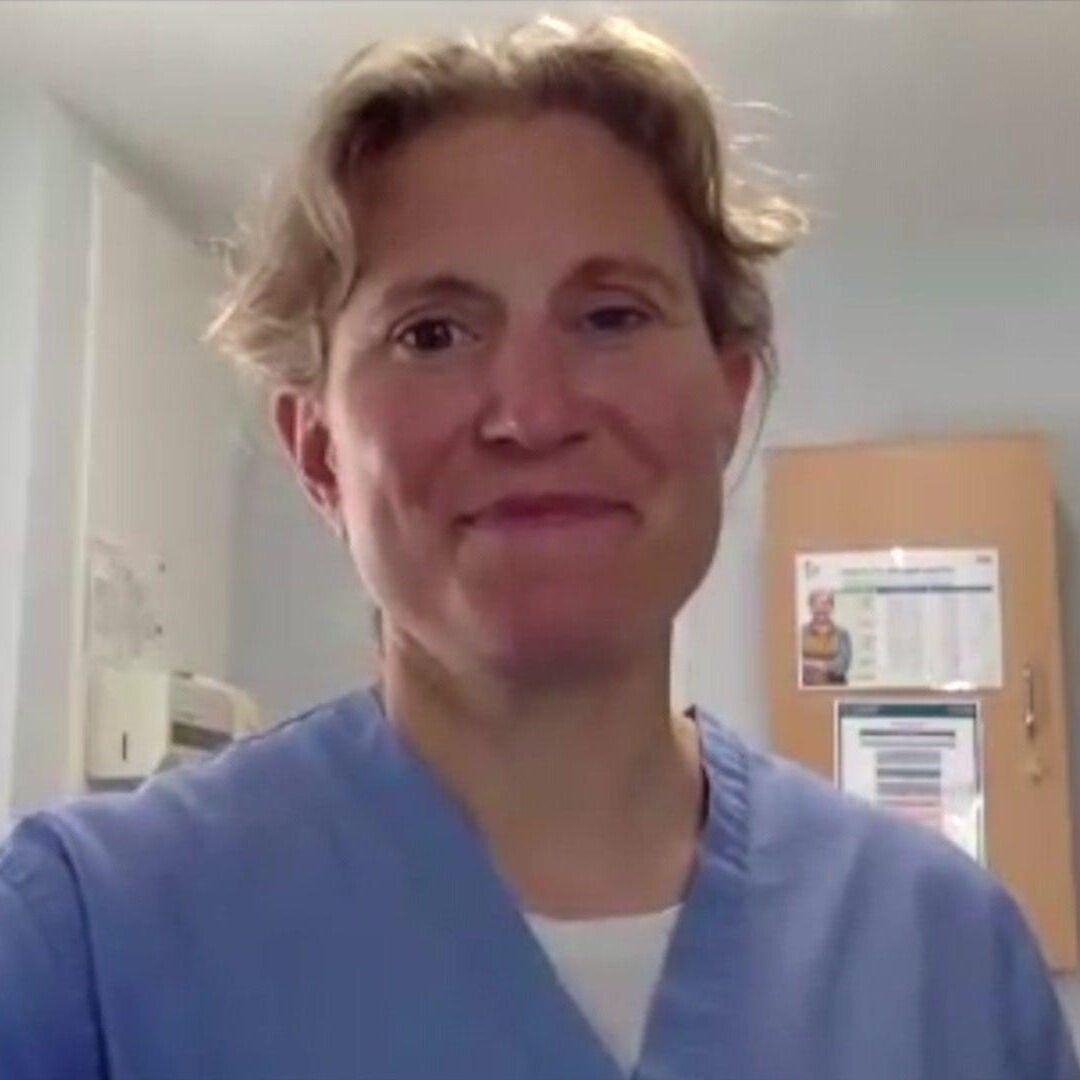
Dr Jess Harvey, Shropshire GP
Hear what Dr Harvey has to say here.
I don't think I could do the job that my receptionists have. There's a lot of anger and frustration out there.
Now in the world, and I think they face a huge amount of that, I hear some of the interactions that they have and I really feel for them because there has been a fairly negative drive towards general practice and I think when people are told that they can't get an appointment and that general practice is useless and that we're not doing a good job and all those sorts of things, they start to believe it. Whether it's true or not is becomes irrelevant and unfortunately I don't think it's been supported higher up in terms of trying to get a more positive message out there and I completely appreciate that everyone's got a difficult job and whoever's running the NHS has got a difficult job in government's got a difficult job, but actually there's a reality here in the I often have a conversation with my colleagues in the hospital that we're all on the same team.
We're all on the same team. We're just on different parts of the pitch and the sooner that we can all recognise that and that goes for higher up in government and NHS as well because I kind of see, you know, the health ministers as part of that team. There's a reality here.
And that we everything, we all do all contributes towards the working of the NHS
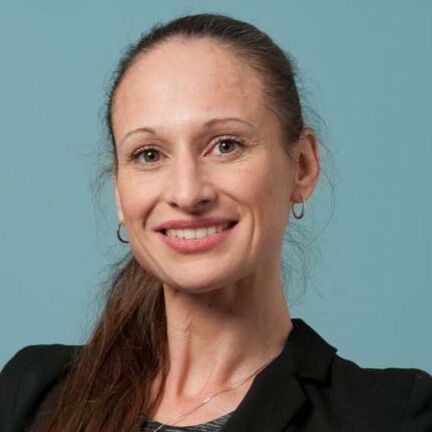
Dr Lisa Harrod-Rothwell, London GP
Hear what Dr Harrod-Rothwell has to say here.
So if we think about this as a bus, we have so many seats on the bus and the GP is driving the bus.
Putting more doors on the bus so there isn't a queue in the morning doesn't solve the problem. What happens is more and more people squash onto that bus and the bus becomes unsafe to drive and people can't get to their destination. They can't get off the bus, for example, and that's how it's feeling in general practice.
We have more and more people now asking for appointments, asking for care, even those who - using the bus analogy - potentially would have walked because they would have seen the queue for the bus and decided that actually it would be okay to walk.
We've increased the demand for the number of appointments, but actually we don't have more appointments to put people in. So what's the impact of that? That means that every morning GPs are faced with lists and lists and lists of requests.
That is reducing the number of GPS who across the country, who are actually sitting there seeing patients because now somebody has to go through and clinically prioritise the requests that we're getting in because it becomes unsafe when you've got hundreds of requests.
And within that, there will be some urgent ones, but we need to review the mall with the limited information that we've got to try and work out which ones we need to prioritise for the limited number of appointments that we have.